eng
Proposals

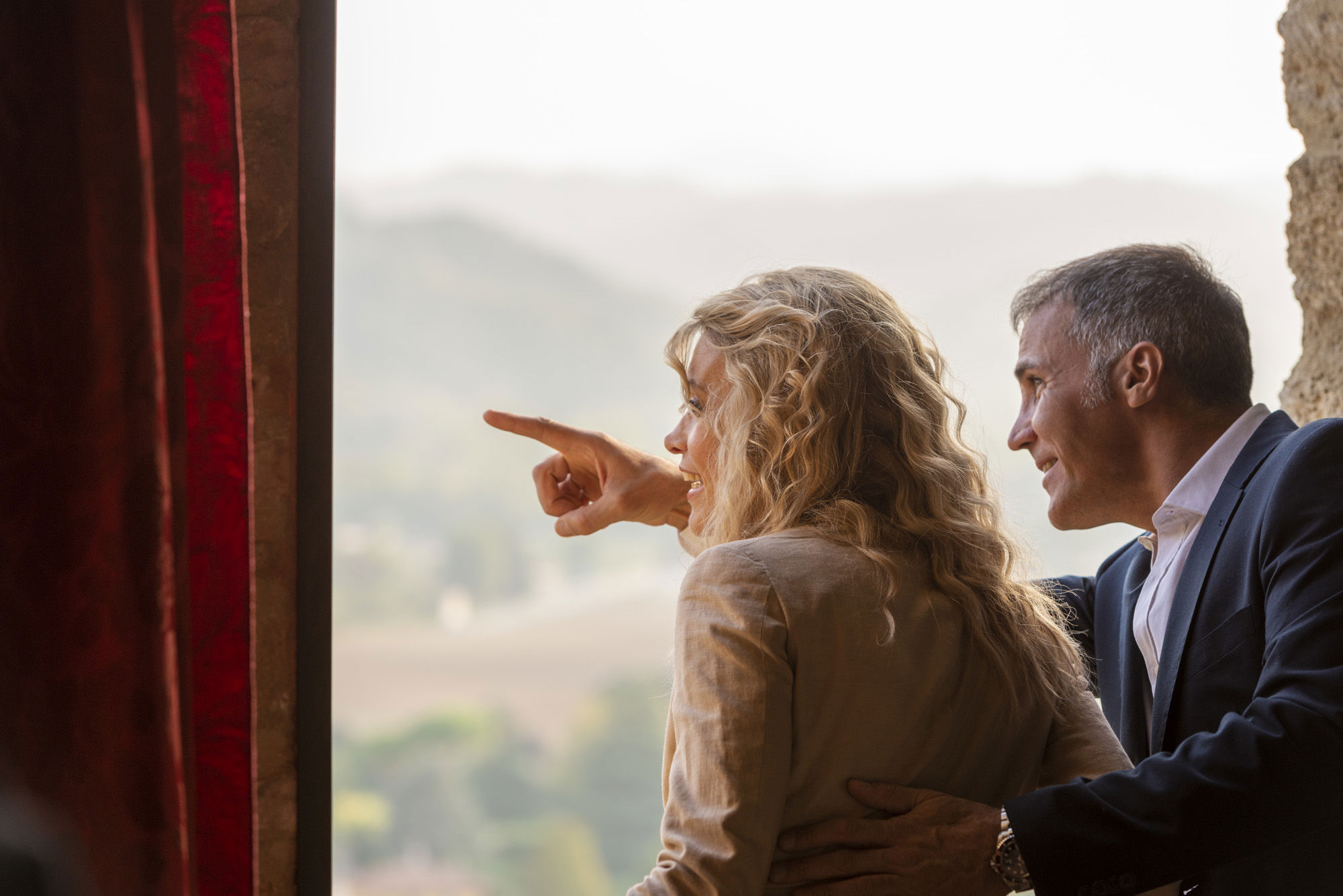
Castrocaro Fortress (Rocca di Castrocaro): An ancient stronghold that takes you back in time with its mighty walls and secret passages. As you walk through its halls, you will discover the stories and legends surrounding this place, which has witnessed centuries of battles and sieges.
Bertinoro Fortress (Rocca di Bertinoro): This fortress is not just an ancient bastion, but a place of spiritual connection. The Interreligious Museum housed within will guide you through the three major monotheistic religions, highlighting the common ground and differences that enrich our culture.
International Museum of Ceramics (MIC): This museum is a true treasure trove of artistic wonders. With collections spanning centuries and continents, every room takes you on a journey through human creativity, featuring masterpieces that range from antiquity to contemporary art.
The Clock Tower (Torre dell’Orologio): Built in 1290, this tower is one of the symbols of Brisighella. Climbing to the top feels like stepping back in time, offering a panoramic view that rewards every single step.
Cervia Salt Pans (Saline di Cervia): Here, the craft of salt production turns into a sensory experience. Visit the Salt Museum to discover the ancient techniques used to extract this "white gold," and then stroll through the salt pans at sunset to admire the flamingos gathering in the pink waters.
Leonardo’s Canal Harbor - Cesenatico (Porto Canale Leonardesco): Stroll along this historic canal, admiring the traditional boats of the Maritime Museum as they gently sway on the water. Each vessel tells the story of fishermen who lived in perfect harmony with the sea for centuries.
Mausoleum of Theodoric - Ravenna (Mausoleo di Teodorico): Built in AD 520 for the Ostrogoth King Theodoric, this mausoleum is an imposing funerary monument that beautifully blends Gothic austerity with Roman majesty.
Basilica of San Vitale and Mausoleum of Galla Placidia - Ravenna: Step into these sanctuaries of mosaics, where every tile glitters with color and tells biblical stories with breathtaking beauty. Here, the past seems to come alive in every detail.
Dante’s Tomb (Tomba di Dante): The final resting place of the supreme poet, Dante Alighieri, is a small mausoleum radiating an almost palpable solemnity—a silent tribute to the author of the Divine Comedy.
Classe Pine Forest / Dante's Pine Forest (Pineta di Classe): This pine forest is not only a place of natural beauty but also a source of inspiration for Dante, who mentions it in the Divine Comedy. Walking among these centuries-old pines is an experience that connects nature and literature in a unique and profound way.